
Goose Meets Wildebeest - Süfur’s First Bike
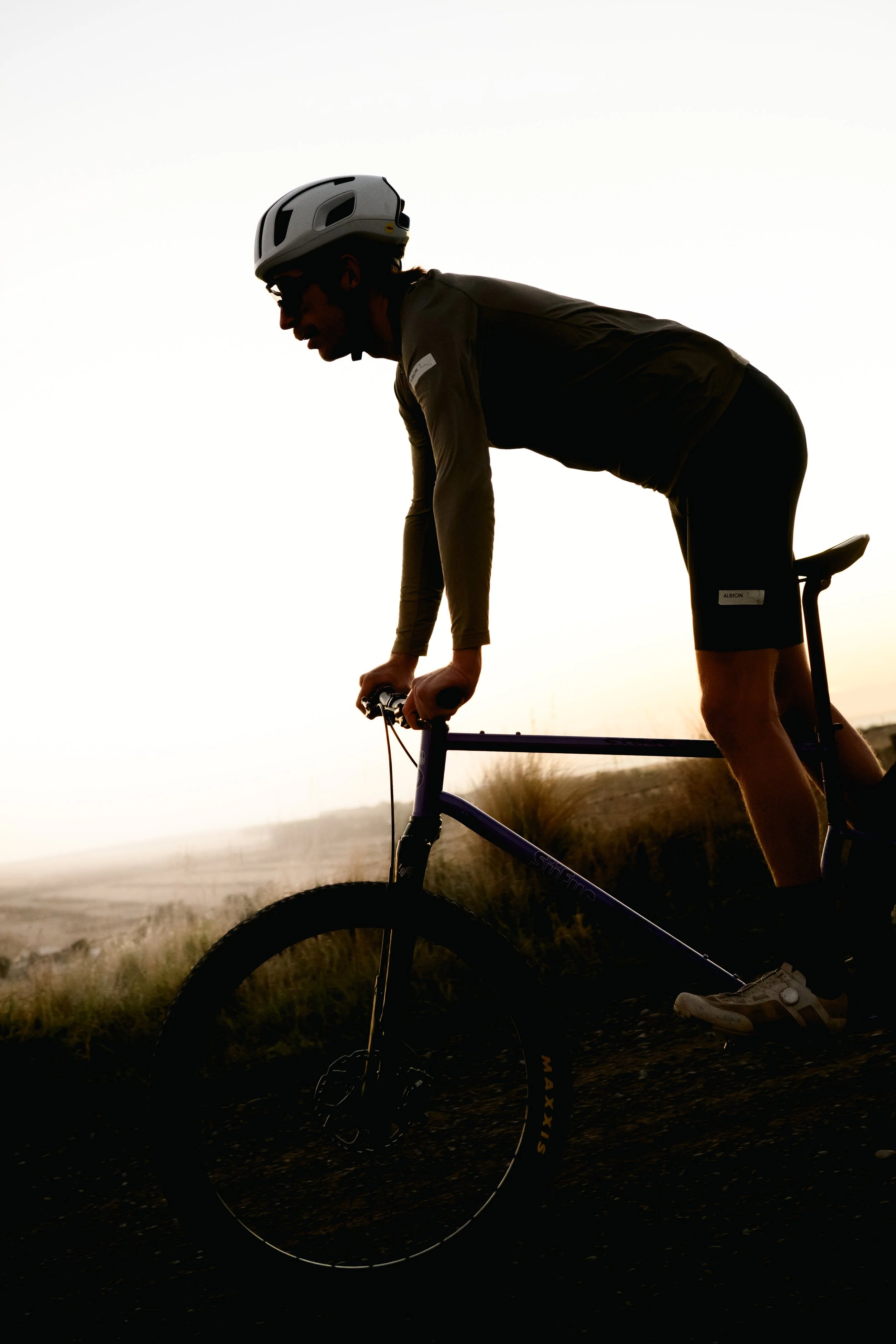
Inside this issue:
Production ready - Wildergoose
How it got here - Prototype progression

Introducing The Wildergoose!
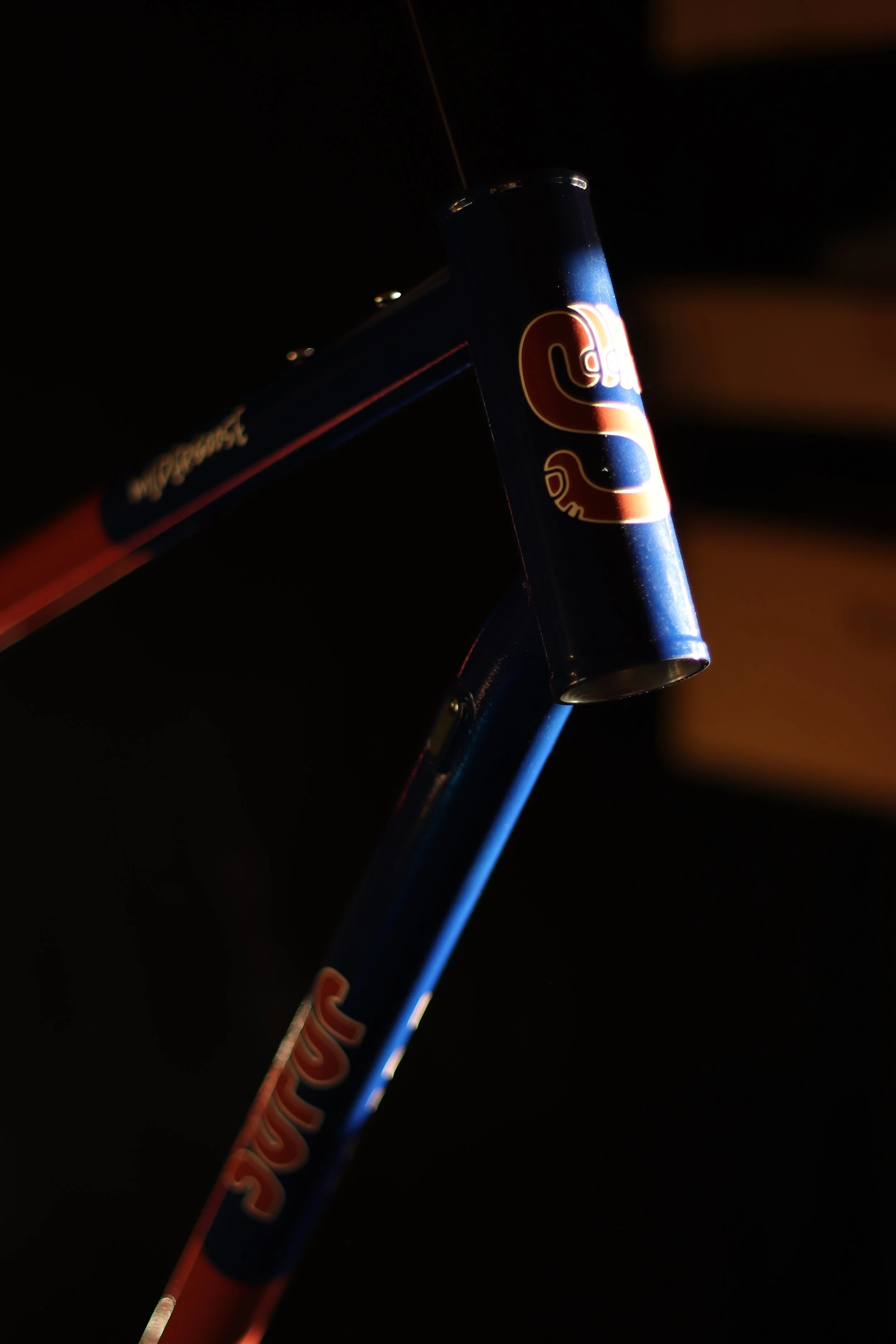
For the last few years, this bike has consumed my thoughts. Many prototypes, thousands of kilometres of testing, and more late nights in the workshop than I'd care to admit.
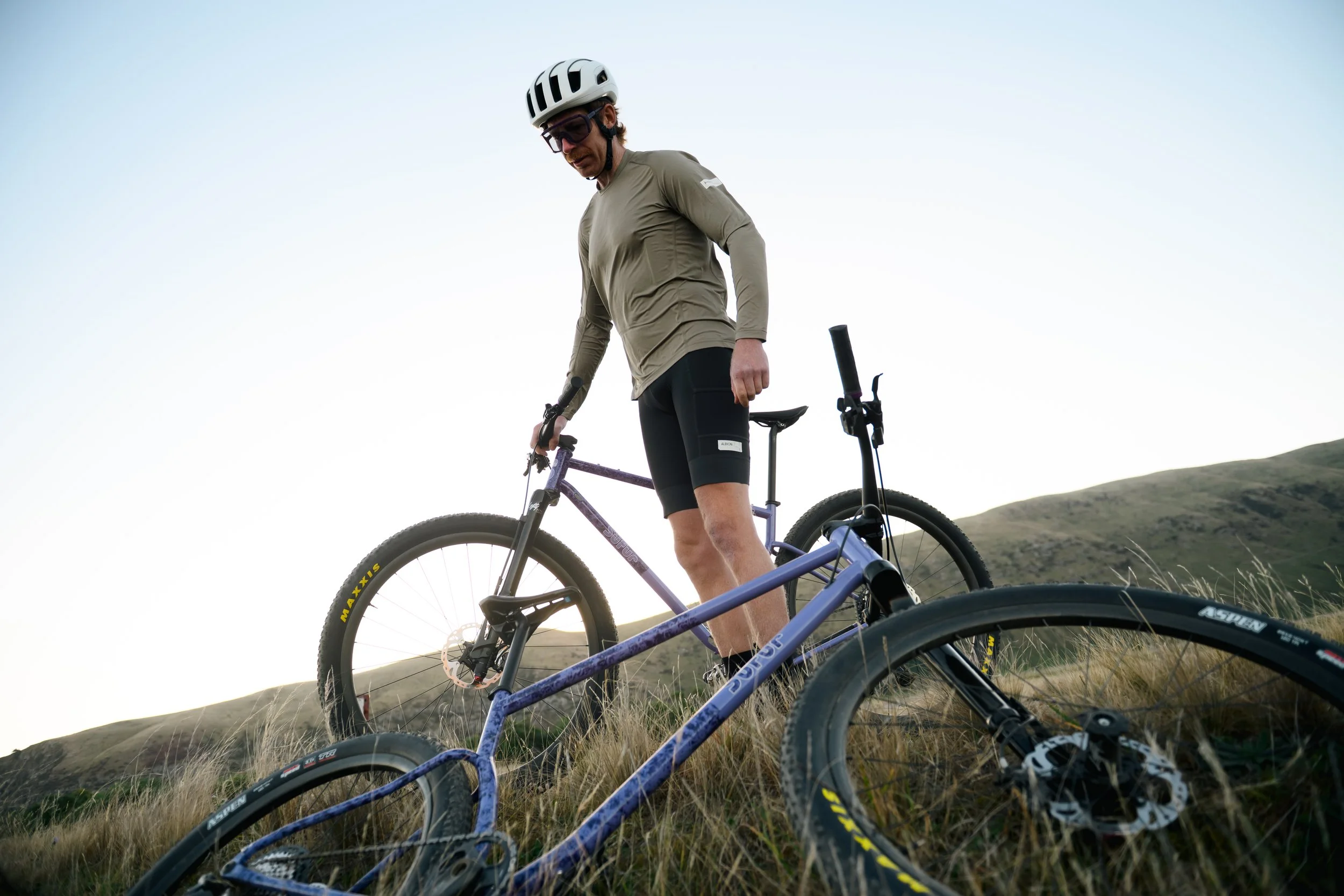
The Wildergoose is the first production bike from Süfur.
Its name is a blend of two of nature's great travellers. Like a goose, it's built to cover vast distances, following instinct and the horizon wherever they lead. Like a wildebeest, it's defined by endurance, pressing onwards across changing landscapes in search of what lies ahead.
The end goal was to create a steel bikepacking bike that feels fast, efficient and comfortable day after day, whether you're crossing mountain ranges or disappearing down the gravel road you've always wondered about.
Let’s dive deeper
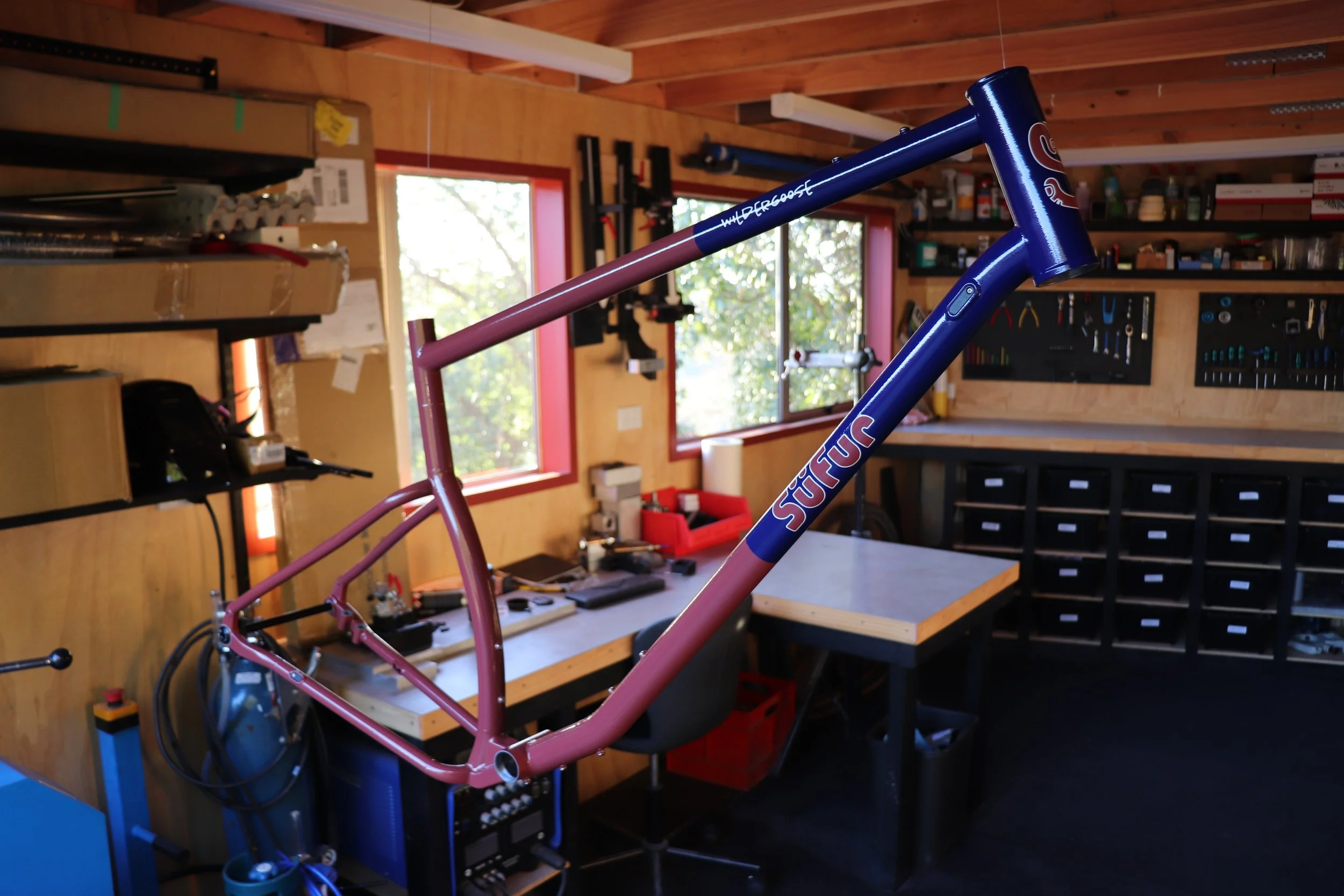
The frame is designed around a 100mm suspension fork, enough travel to provide comfort and control on the rough tracks and trails typically encountered while bikepacking. Keeping the fork at 100mm allows for a longer head tube, maximising the available space in the front triangle for a full-size frame bag.
That storage space is further enhanced by the curved seat tube providing more room compared to a conventional straight post. Beyond creating room for larger bags, the offset seat tube also allows for a steeper seat tube angle. This keeps rider position consistent across the size range, meaning the bike maintains the same ride characteristics regardless of saddle height.
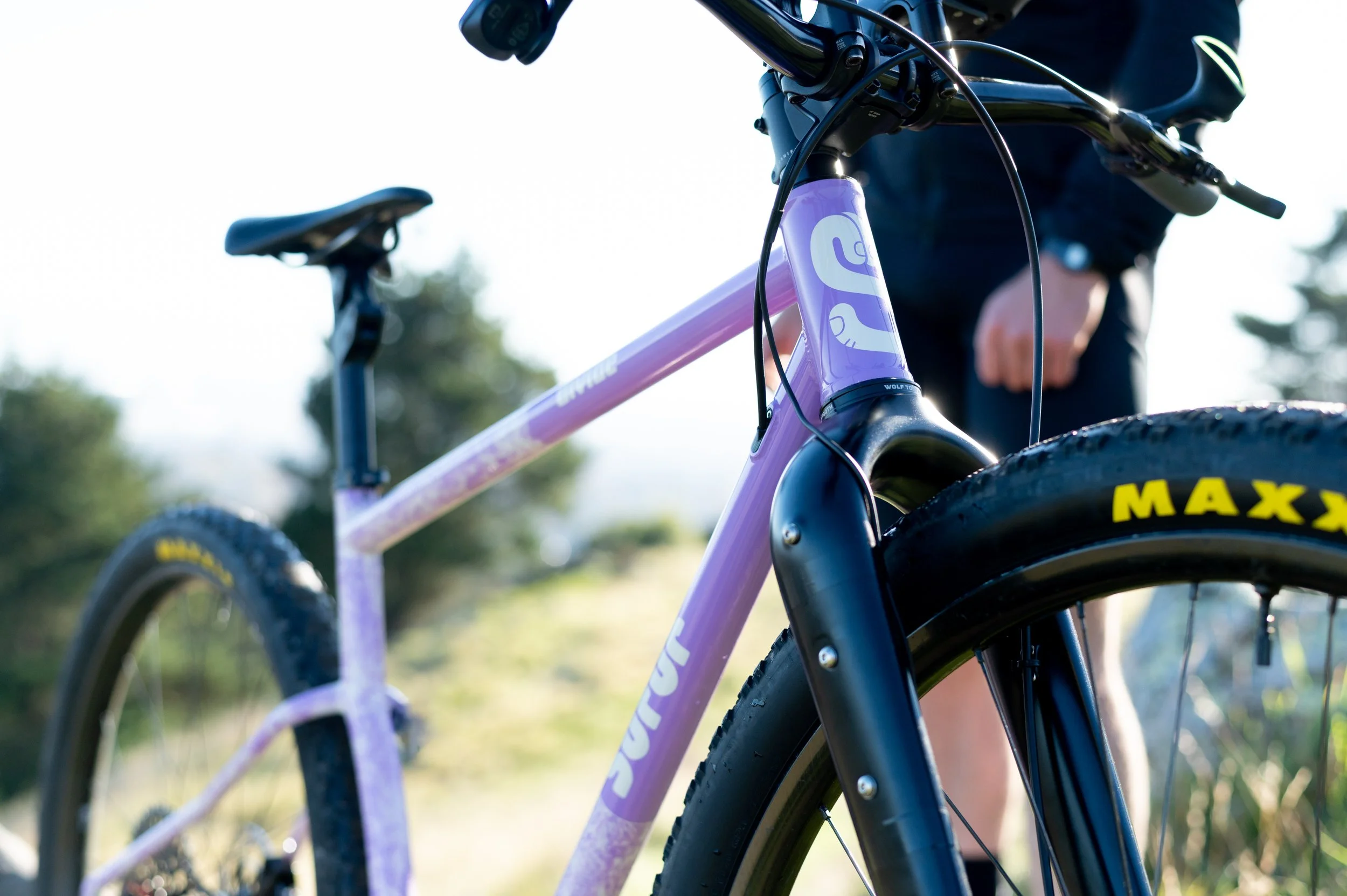
Tyre clearance was a key priority throughout the design process. The Wildergoose offers clearance that exceeds typical industry standards, creating generous space for mud, stones and debris. The seat stay yoke is intentionally the tightest point in the frame, sitting a few millimetres closer to the tyre than the chainstay yoke. Any build-up is encouraged to occur higher in the frame, away from the drivetrain, where it's easier to clear. The curved seat tube follows the radius of the rear tyre, leaving no shelf for mud to collect on. Any debris that passes through the seat stay yoke naturally continues around the tyre and is pushed out through the bottom of the frame.
The Wildergoose is built around widely available, proven standards. Every aspect has been chosen with reliability, serviceability and long-term ownership in mind, making replacement parts easy to source whether you're at home or travelling further afield.
The geometry has been developed with loaded riding as the priority. It's tuned to be stable, predictable and well-balanced, inspiring confidence whether you're climbing a rough back road, descending a mountain pass or weaving through technical singletrack with a full bikepacking setup.
Modernising tradition
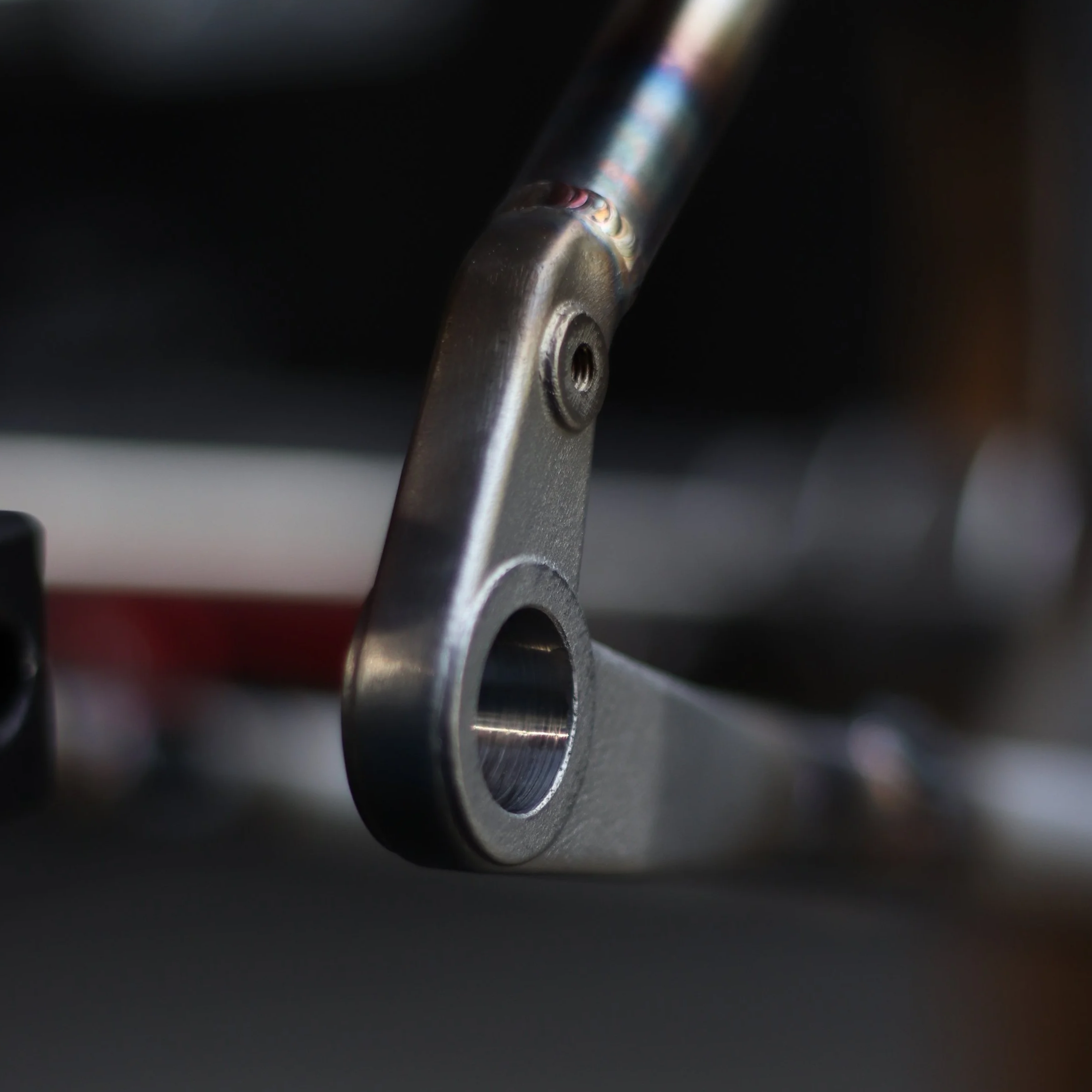
3D printed stainless steel junctions bring modern manufacturing to a timeless frame material. Steel has always been valued for its ride quality, durability and repairability, but traditional fabrication methods place limits on what can be achieved. 3D printing removes many of those constraints and has allowed me to truly design a bike from the ground up rather than trying to adapt my ideas to off-the-shelf parts. It opens up the same level of design freedom enjoyed by more contemporary frame materials while retaining everything that makes steel such an exceptional choice for adventure bikes.
Prototype After Prototype
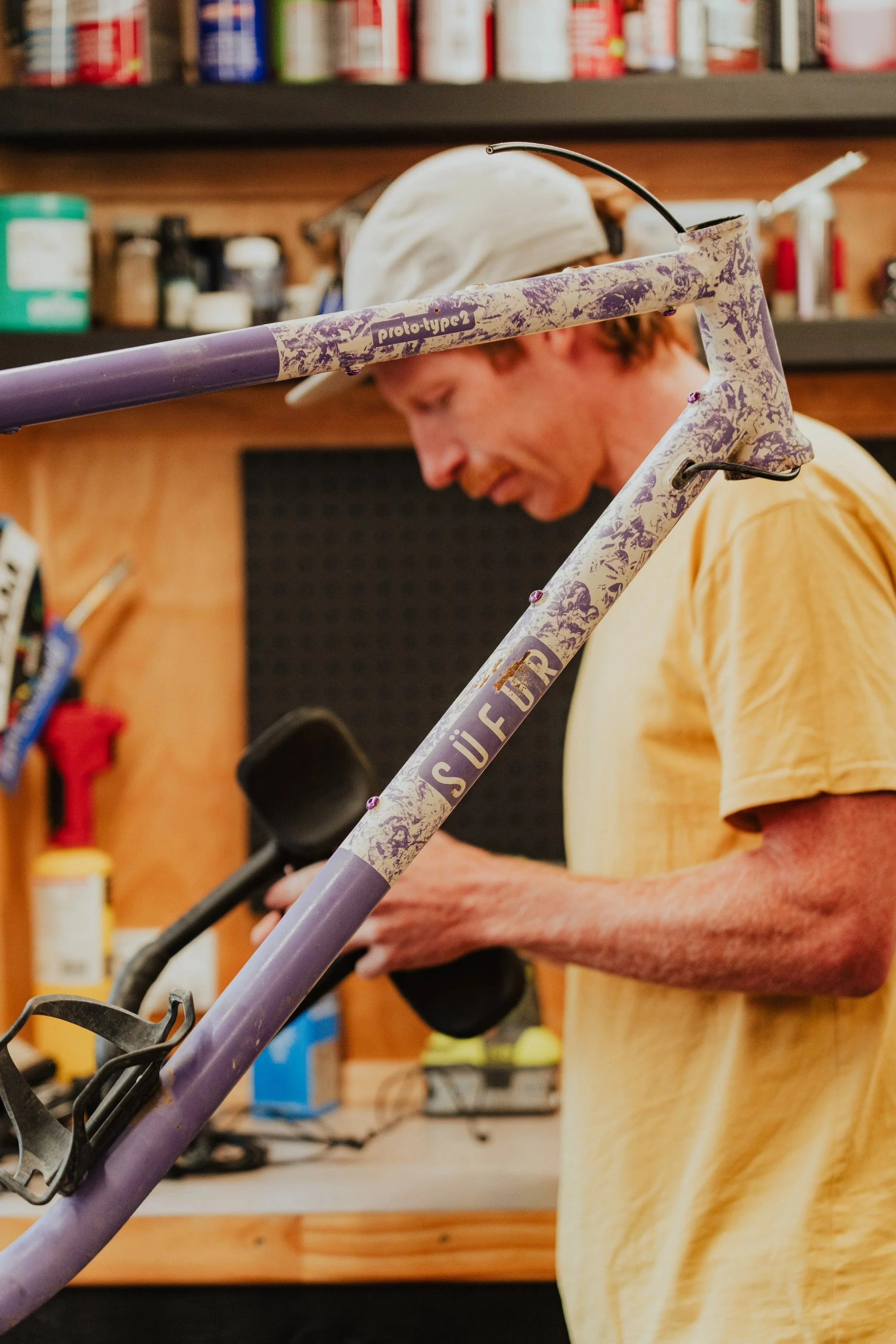
Six prototypes were built and tested in the development of the Wildergoose, leaving no stone unturned, so to speak..
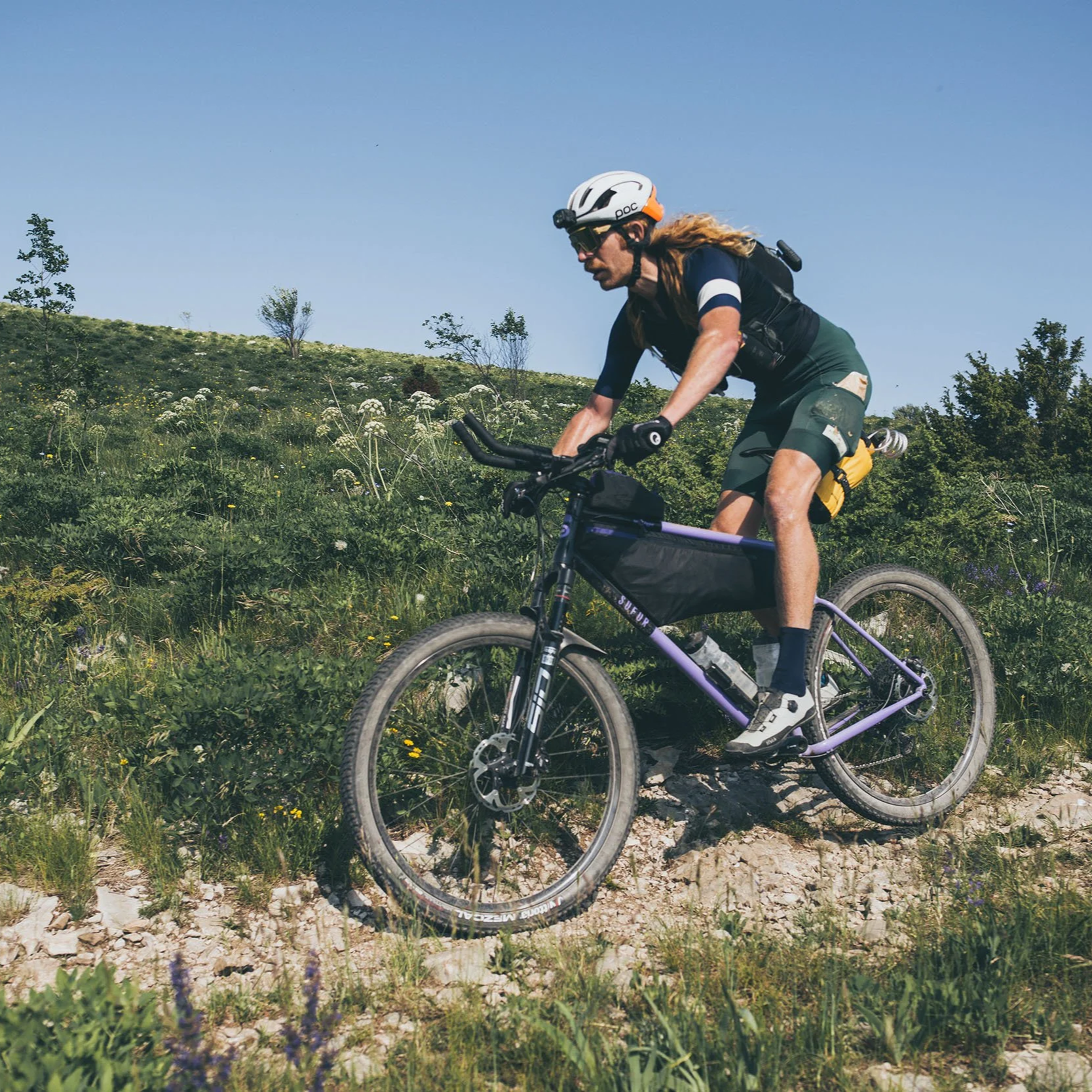
There’s plenty to consider when creating a bike, a lot of time was spent testing different geometry variations starting with broad changes before refining the details as I honed in on the perfect setup. A fair bit of that testing was done my favourite way: under pressure, racing at the highest level, exposing bad ideas while rewarding the good ones. There are few better places to validate a bike than when the consequences of every design decision are felt over long days in the saddle.
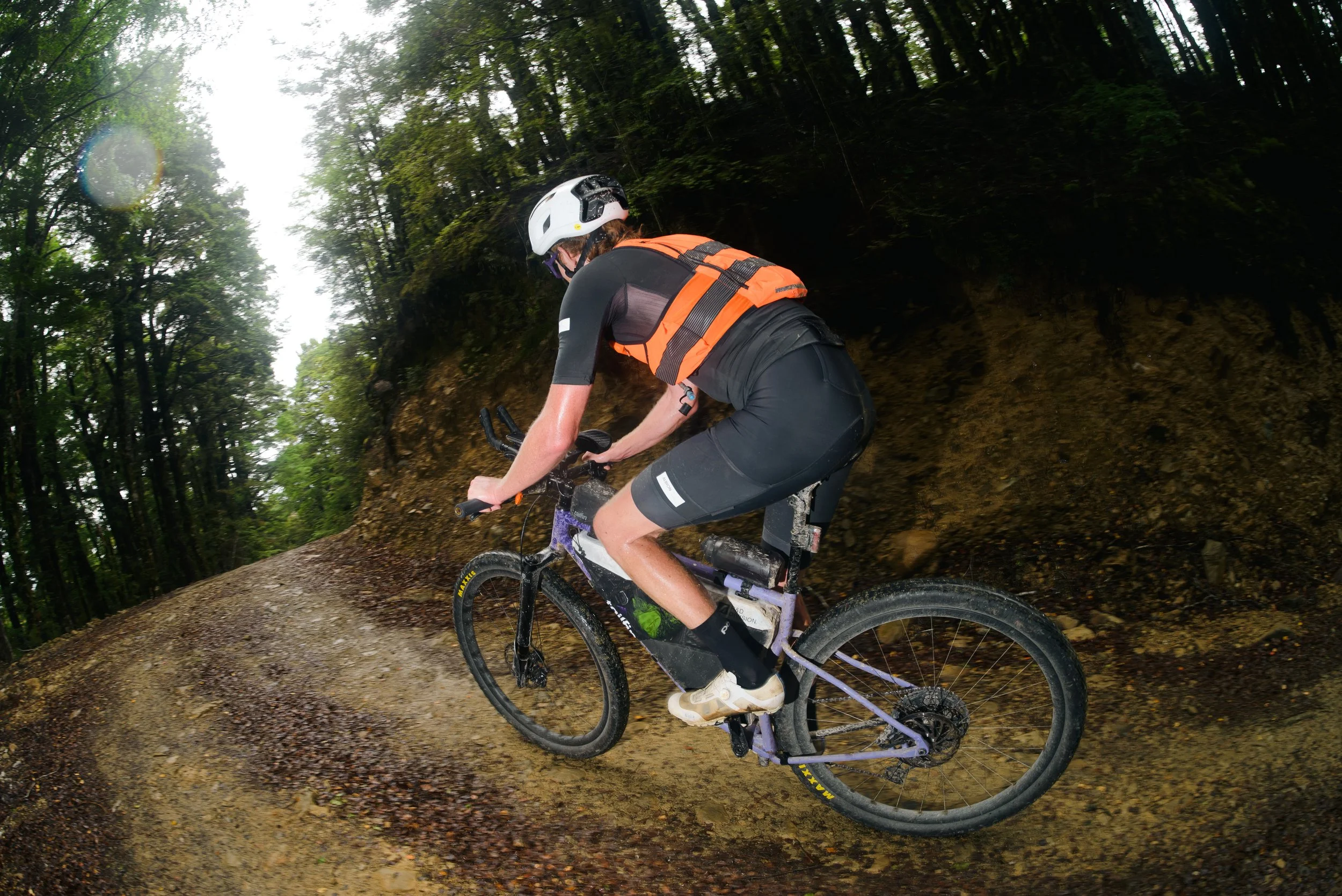
That wasn't all, though. Each prototype brought changes to the tubing profiles, refinements to the 3D-printed components, new fabrication methods, and even different standards. Every iteration was scrutinised, documented, and improved before the next one began.
The result is a bike shaped by thousands of small decisions, each prototype building on the lessons of the last.
Süfur In The Spotlight
An unlikely adventure by bike - follow myself and Joe Nation as we cross the South Island via Browning Pass. YouTube